











Exercises That Turn Distance Into Understanding

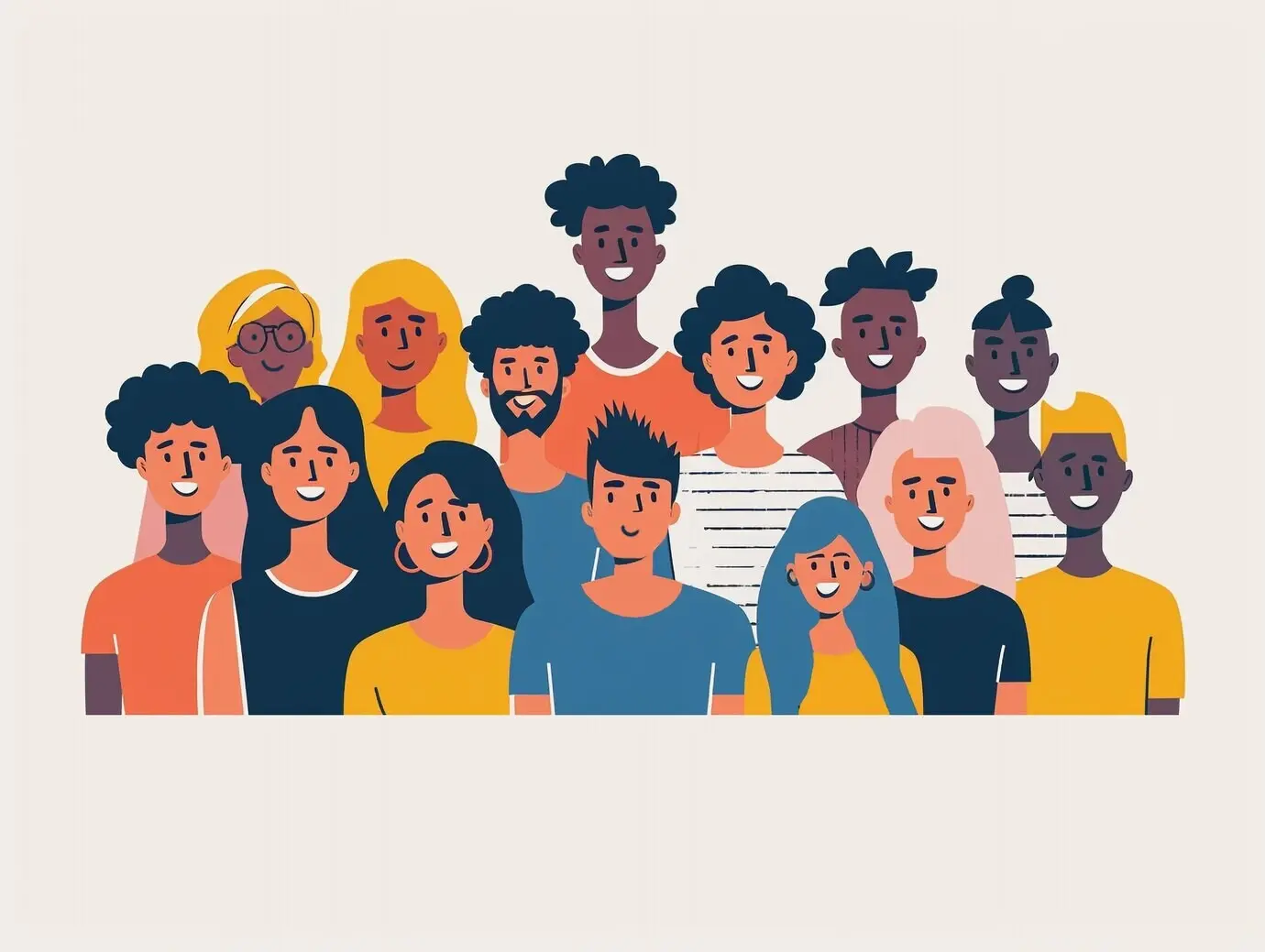
Today we explore remote team exercises for navigating cross-cultural misunderstandings, transforming awkward moments into shared learning. Expect practical activities built for video calls, chat threads, and distributed schedules. We blend research, lived stories, and playful prompts so colleagues feel safer asking questions, clarifying intent, and celebrating differences that fuel innovation. Try them, adapt them, and tell us what works. Your reflections help refine these practices for teams across time zones, industries, and language backgrounds.

Start With Psychological Safety

Before any activity can help, people need to believe missteps are forgivable and curiosity is welcome. This foundation reduces defensive reactions when norms collide, like silence meaning agreement in one culture and polite dissent in another. Use these warm, humane openers to normalize uncertainty, invite storytelling, and establish that everyone is both teacher and learner. Small gestures here ripple through every project handoff, feedback exchange, and deadline negotiation afterward.

The One-Pager Pre-Read

Before any decision meeting, circulate a concise document with purpose, background, decision needed, options, trade-offs, and explicit definitions of ambiguous terms. Invite inline questions across time zones. This habit prevents live confusion and ensures quieter contributors can think deeply. It also exposes culturally specific assumptions early, minimizing last-minute surprises or rushed compromises.

Emoji-Only Daily Status

For one week, ask everyone to summarize daily progress using only emojis plus a link. Then debrief how different cultures read the same icons. You will uncover tone pitfalls, discover symbols that translate well, and choose a shared legend. The exercise is playful yet revealing, reminding everyone that clarity needs agreed cues, not guesses.

Follow-The-Sun Handoff Journal

Maintain a rotating handoff log that captures context, blockers, decisions, and next steps in short paragraphs. Require a final check question like, “What might be unclear to someone new tomorrow?” The question prompts cultural empathy and anticipatory guidance. Over time, the log becomes a living memory that protects momentum during weekends, holidays, and shifting priorities.

Language, Tone, And The Art Of Being Understood

Words carry hidden weights: idioms, humor, and directness vary widely. Misread tone can derail trust faster than a missed deadline. These exercises slow teams down just enough to make meaning explicit without draining spontaneity. They reward precision, kindness, and shared definitions. By practicing paraphrasing, validating, and simplifying, teams create space for brilliance to surface from every accent, experience, and linguistic comfort level.

01

Assumption Audit

Pick a recent message thread that went sideways. In pairs, highlight ambiguous words, idioms, or unexplained acronyms. Rewrite the thread using explicit requests, time frames, and outcomes. Reflect on what changed: did anxiety drop, did alignment rise? This practice shows how small edits replace guesswork with confidence, freeing energy for creative problem solving.

02

Plain-Language Rewrite Challenge

Take a technical or marketing paragraph and rewrite it at an accessible reading level without losing accuracy. Then compare drafts and discuss which choices preserved nuance across languages. This sharpens clarity, respects multilingual colleagues, and reduces translation friction. The goal is not oversimplification, but purposeful simplicity that travels well across contexts.

03

Acronym Amnesty And Glossary Sprint

For one sprint, anyone can pause a meeting or thread to ask about jargon with zero embarrassment. Collect terms into a lightweight glossary and add examples of correct usage. Rotating editors keep entries friendly. The ritual normalizes learning, accelerates onboarding, and prevents exclusion through opaque language walls that quietly marginalize capable teammates.

Practicing Difficult Conversations Safely

Two volunteers reenact a misunderstanding—perhaps a sarcastic joke read as contempt, or silence taken as consent. Observers note moments where a clarifying question might have helped. Afterward, swap roles and try alternative scripts. The group harvests phrases that de-escalate, like “What does that look like in your context?” and “How would we notice success?”
Participants practice delivering constructive feedback using both concise, explicit language and more context-rich, relationship-first approaches. Partners reflect on how each style feels and what signals increase receptivity. Teams then co-create a feedback menu, agreeing on cues that prepare listeners, protect dignity, and keep quality standards uncompromised across cultural preferences.
Give groups the same assignment twice: once with minimal instructions, once with exhaustive details. Compare outputs, stress levels, and questions asked. Discuss when brevity empowers autonomy and when it breeds uncertainty. The exercise surfaces preferences and equips teams to calibrate requirements deliberately rather than by habit or the loudest voice in the room.

Weekly Check-In With Two Prompts

Begin meetings with two quick questions: “What is one cultural assumption you noticed this week?” and “Where did someone help you feel understood?” Rotate facilitators. Keep answers short but sincere. This practice tunes attention, celebrates micro-behaviors, and signals leadership’s ongoing commitment to respectful collaboration beyond slogans or training modules.

Rotating Cultural Spotlight

Each month, a volunteer shares a five-minute snapshot: a holiday, negotiation custom, workday rhythm, or communication nuance. Close with a practical takeaway the team can apply. This short ritual blends education with relevance, dissolving stereotypes while enriching shared playbooks. It turns difference into a library of strategies rather than a source of friction.

Retrospectives With A Cultural Lens

Add a dedicated section to sprint retros: signals we misread, assumptions we clarified, and phrases that worked. Track experiments for the next sprint. The lens keeps learning continuous and concrete, ensuring cultural intelligence grows alongside code quality, design polish, and delivery speed without becoming a separate, easily forgotten initiative.

Measuring Progress And Inviting Participation

Improvement needs evidence and voices. These practices help you notice real shifts in trust, clarity, and outcomes, while welcoming contributions from every corner of the organization. By combining lightweight metrics with stories, you capture both signal and soul. Share results openly, invite suggestions, and iterate. Collective ownership turns experiments into durable culture change.

Pulse Survey With Open-Text Signals

Run a brief quarterly check with questions about clarity of expectations, comfort asking for clarification, and belonging across time zones. Include open-text prompts for stories. Analyze trends by team and region, then discuss actions publicly. Transparency builds credibility and shows that insights lead to changes, not just dashboards or performative reporting.

Conversation Quality Scorecards

During a sample of meetings, a rotating observer rates clarity of requests, balance of voices, and recovery from confusion. They capture quotes and moments, not just numbers. Over several cycles, patterns guide coaching, enable peer recognition, and spotlight wins. The goal is supportive improvement, never surveillance or punishment, keeping trust intact.

Join The Practice: Share, Subscribe, Experiment

Create a dedicated channel to post exercise outcomes, adaptations, and questions. Invite colleagues to share short recordings or screenshots of practices in action. Encourage subscription to a monthly roundup highlighting experiments that worked. Your contributions refine future exercises and help others navigate cross-cultural misunderstandings with grace, efficiency, and genuine connection.

Tarexozofafazumiriku
Privacy Overview

This website uses cookies so that we can provide you with the best user experience possible. Cookie information is stored in your browser and performs functions such as recognising you when you return to our website and helping our team to understand which sections of the website you find most interesting and useful.